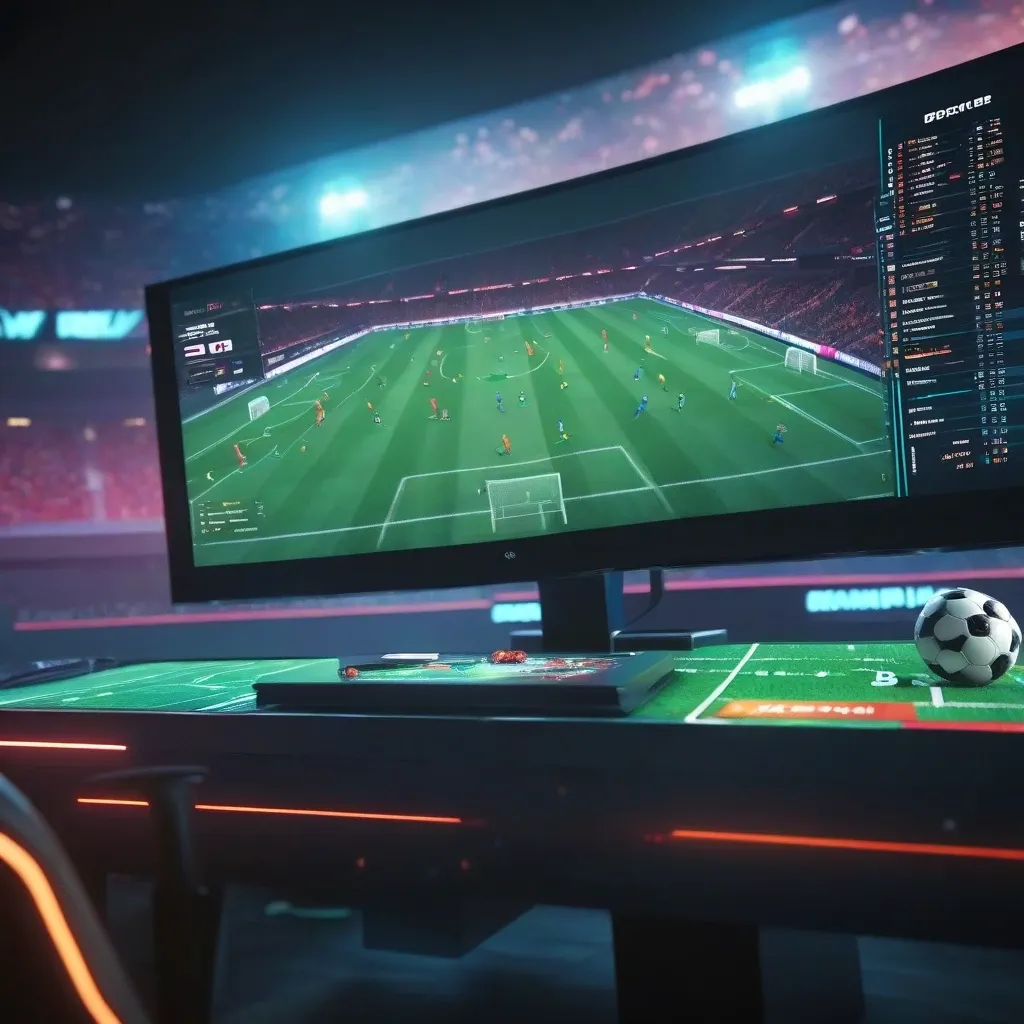
Remember staring at a static odds board, a single opportunity before the whistle blew? It feels like a relic of a bygone era, doesn’t it? I recall one particular championship match, the tension thick in the air, but my betting window closed before the game even truly ignited. A frustrating echo of pre-digital sports wagering. Fast forward to today, and the sports betting landscape has undergone a seismic, almost chaotic, transformation. The culprit? The electrifying arrival of live streaming. This isn’t just a minor tweak; it’s a full-blown revolution, morphing passive spectating into active, real-time wagering. The ability to seamlessly watch a game unfold and simultaneously place bets has unlocked unprecedented levels of viewer engagement, making every pass, every goal, every critical moment a potential turning point not just in the match, but in your bet slip. This article is your inside look, from someone who’s seen it all unfold, into the profound impact live betting has had on the world of sports betting. We’re not just talking about a new way to bet; we’re exploring how technology has fundamentally rewritten the rulebook for fans and bettors alike.
The Pre-Streaming Era: A Separation of Spectator and Bettor
Remember the days before the internet turned every sporting event into a potential real-time betting arena? It was a different world for sports enthusiasts who also fancied a punt. Traditional sports betting primarily meant placing your bets before the whistle even blew. You’d pore over pre-match odds, make your selections, and then settle in for a decidedly passive viewing experience. The thrill of the game was distinct from the thrill of the bet. If you wanted to adjust your strategy mid-game, well, good luck. Halftime betting was about as sophisticated as it got, and even then, the options were often limited and the odds glacially paced.
It felt like a constant juggling act. You’d have the game blaring on the TV, and then you’d be frantically flicking through to a separate, clunky sports website or app on your phone, desperately trying to see if the odds had shifted at all in the last five minutes. It was like trying to conduct a symphony with one hand tied behind your back. You could see the game unfold, but your ability to react financially was severely hampered. Any in-game betting often felt like a shot in the dark, a gamble based on hunches rather than real-time information. This separation of watching and betting was a fundamental characteristic of how we engaged with sports and wagering.
The World Before Instantaneous Feeds
Imagine this: you’re glued to a football match on your television, the action unfolding in real-time. But your betting slip? That was finalized hours ago, or at best, during the pre-game hype. The concept of live, dynamic odds that shifted with every possession, every penalty, every breakthrough wasn’t commonplace. Betting decisions were largely made in a vacuum of predictability. You might catch a snippet on a dedicated sports channel about halftime odds, but they were often delayed, offering little advantage to a sharp observer. The reliance was on static information, making in-play betting a far less sophisticated dance than it is today. The game flow was something you watched, but its immediate financial implications were a lagging indicator, if at all.
Separate Screens, Separate Minds
The quintessential pre-streaming betting setup involved a bizarre duality. You’d have the main screen – your television, showcasing the actual game in all its glory. Then, you’d have the secondary screen – a phone, a tablet, or a laptop, dedicated to the betting world. This meant a constant, almost schizophrenic, switching of focus. One moment you’re engrossed in a stunning goal, the next you’re squinting at a phone, trying to decipher if that slight flutter in the odds is worth risking. This fragmented attention was not just inefficient; it meant crucial moments in the game could be missed while your mind was wrestling with the betting interface. Opportunities were undoubtedly lost in this digital divide, a testament to the clunky, piecemeal approach to sports betting before the seamless integration we know now.

The Streaming Revolution: A Paradigm Shift in Real-Time
It’s no secret that the world of sports betting has undergone a seismic transformation. Gone are the days of placing your wagers before the game even begins and then just hoping for the best. The primary catalyst for this sweeping change? Live streaming technology. It’s not just a fancy add-on; it’s the very engine that has fundamentally altered the live betting landscape, ushering in an era of real-time interaction and unprecedented viewer participation. This isn’t just about better broadcast innovation; it’s about a complete paradigm shift in how we experience and engage with the action, making every split second count.
Low Latency: The Unsung Hero of In-Play Betting
When we talk about live streaming, the word “latency” might sound a bit technical, but it’s the absolute bedrock of successful in-play betting. Think about it: milliseconds matter. In the frantic world of live betting, a stream that’s even a few seconds behind can be a recipe for disaster. Imagine seeing a crucial goal scored on your screen a momentafter* the odds for that very outcome have already changed. That’s not just a frustrating user experience; it’s a direct threat to the integrity of the betting market. Low latency streaming ensures real-time data synchronization, meaning the odds you see are as close to the live action as humanly possible. This precision is what makes event-driven markets truly dynamic and fair, transforming a potentially chaotic system into one of thrilling, accurate engagement.
From Passive Viewing to Active Engagement
Remember the days of simply kicking back and watching the game? That was passive enjoyment. Today, live streaming has flipped the script entirely, transforming viewers from passive observers into active participants. The ability to watch the action unfold as it happens, coupled with the immediate availability of betting markets, fosters an unparalleled level of viewer engagement. It’s a much more invested experience; you’re not just watching a match, you’re reacting to every single moment, feeling the ebb and flow of the game in a way that resonates deeply. This creates a powerful second-screen experience, where your device becomes an extension of the game itself, making your participation in the betting arena feel more dynamic and electrifying than ever before.
The Mechanics of Integration: How Streaming Enhances Live Betting
It might seem like magic, but the seamless fusion of live sports streams and betting interfaces on your screen is all down to clever engineering. Bookmakers have become wizards at weaving real-time video feeds directly into their platforms, creating integrated betting interfaces that feel less like separate entities and more like one dynamic ecosystem. This isn’t just about having a video player next to a set of odds; it’s about deep integration. Think about it: the moment a critical play unfolds on screen, the odds shift almost instantaneously. This is powered by sophisticated systems that analyze the stream’s data feed and instantly update betting markets. The result is a truly unified experience, where the action on the field, court, or trackis* the betting market. This allows for incredibly specific micro betting opportunities to bloom, directly from observable events. You’re not just betting on who wins, but on what happens in the very next few seconds. The aim is to keep you hooked, to make every moment of the broadcast a potential betting decision, all within a fluid, seamless betting environment. It’s all about making sure the viewer never has to leave the platform to get the full experience, blurring the lines between watching and wagering.
Embedding Streams: Keeping Bettors ‘In-App’
For the bookmakers, in-app streaming is a game-changer, a secret weapon for boosting user retention. When a bettor can watch the entirety of a match or event without ever leaving the betting app, their engagement deepens significantly. This keeps them within the platform’s ecosystem, reducing the temptation to drift to a competitor’s site. Essentially, it’s a powerful tool against reduced churn. By providing a convenient, all-in-one experience, bookmakers can foster a stronger sense of platform loyalty. Users become accustomed to the ease of watching and betting simultaneously, making the app their go-to destination for sports entertainment, not just wagering. This sustained presence means more eyeballs on more betting markets, which naturally translates into more bets placed.
Micro-Moments and Micro-Betting Opportunities
The real revolution sparked by streaming integration lies in the explosion of micro-betting. Gone are the days when live betting was primarily about the final outcome. Now, with real-time feeds, operators can offer wagers on incredibly short-term outcomes, transforming passive viewing into active participation. Imagine watching a tennis match: instead of just betting on who wins the set, you can bet on whether the next serve will be an ace or a fault. In football, you might wager on whether the next play will be a run or a pass, or if a specific free kick will result in a goal. These predictive markets tap into the immediate flow of the game. This creates a constant stream of rapid betting opportunities, keeping users highly engaged. The thrill of predicting these immediate, fleeting moments significantly amplifies the excitement of watching live sports, turning every passage of play into a potential, albeit small, decision point for the bettor.
Impact on User Behavior and Engagement
The fusion of live streaming and real-time betting has sculpted a remarkably different user. It’s not just about placing a punt anymore; it’s a full-blown sensory experience. Think about it: the thrill of the game unfolds before your eyes, and simultaneously, the odds ebb and flow like a digital tide. This constant, dynamic interplay has fundamentally shifted user behavior shifts. Gone are the days of pre-game analysis and leisurely wagering. Now, it’s an immediate, almost instinctual response to unfolding events. This creates a potent cocktail of heightened anticipation and a nagging fear of missing out (FOMO). Every flick of the ball, every strategic move, carries the weight of immediate betting consequence, keeping users meticulously glued to the screen. The betting psychology is in overdrive; odds transform from mere numbers into an integral part of the unfolding narrative, providing instant color commentary on the live action. This isn’t just watching a game; it’s actively participating in its speculative future, amplified by the gamification of betting that real-time action inherently provides, leading to an increased attention span within the context of the event. Users are not just observing; they are constantly evaluating, calculating, and reacting, making data-driven decisions on the fly.
From Passive Watching to Active Checking: The Loop Effect
This new paradigm has birthed a fascinating viewing loop, transforming passive spectators into compulsive checkers. The cycle is relentless: watch the action, glance at the fluctuating odds, make a snap decision, place a bet, and then dive back into watching to see how your wager plays out. This constant, rapid-fire interaction anchors users to the stream, creating a state of constant engagement. The odds themselves become a dynamic form of information as narrative, offering an immediate, often dramatic, counterpoint to the on-field drama. It’s a tightly woven tapestry where visual and quantitative data are inextricably linked, pulling users deeper into the experience with every iteration of the cycle. The simplicity of the action—watch, check, bet—belies its psychological grip, transforming a casual viewing into an almost involuntary habit.
The Pressure and Promise of Real-Time Decisions
Navigating the world of live streaming and betting demands a certain kind of mental fortitude. The constant availability of betting opportunities means users are faced with a barrage of choices, demanding split-second decisions. This can lead to significant decision fatigue, where the sheer volume of options erodes the quality of judgment. However, it also sharpens the mind for those who can adapt, fostering a more intuitive and informed betting approach. The potential for high rewards is amplified, but so too is the risk, creating a palpable sense of volatility in betting. Users are constantly balancing the thrill of capturing fleeting opportunities against the cognitive strain of making rapid judgments under pressure. It’s a high-stakes game, not just in terms of capital, but in terms of mental endurance and strategic agility, where a moment’s hesitation can mean the difference between profit and loss.

Challenges and Opportunities in the Integrated Landscape
The convergence of content streaming and real-money betting has thrown up some truly wild scenarios, presenting both thorny streaming challenges and the potential for something entirely new. At the heart of it all is timing – that relentless enemy. Delivering live action and betting markets in sync feels like orchestrating a perfectly timed acrobatic routine; one missed beat and the whole show falls apart. This isn’t just about a few extra milliseconds; in the world of rapid-fire betting, betting integrity hangs by a thread if the data isn’t precisely where it needs to be, precisely when it needs to be. Then there’s the darker side of speed: the amplified risk of problem gambling. Rapid betting cycles, especially when fueled by engaging live streams, demand robust responsible gambling tools and a keen eye on regulatory compliance. It’s a tightrope walk, balancing user engagement with player protection, all while the regulatory landscape constantly shifts. Yet, within this chaos, opportunities are blooming. Think about emerging technologies like AI, not just for brute-force odds calculation, but for crafting genuinely personalized betting experiences. Imagine AI that understands your viewing habits and suggests relevant bets, or learns your betting tendencies and nudges you towards more responsible choices. The future could also involve truly mind-bending platform design, pushing the boundaries of how we interact with both content and wagers, perhaps even diving headfirst into AR/VR realms for an experience that’s less about watching and more about… participating. The potential for innovation here is as broad as the internet itself.
Navigating Latency, Integrity, and Responsible Gambling
The technical tightrope of achieving true real-time synchronization between live streams and betting markets is an ongoing saga. These aren’t minor hiccups; they’re fundamental latency issues that can undermine the entire user experience. Every fraction of a second counts when someone’s deciding whether to place a bet based on an event unfolding on screen. This directly impacts betting integrity concerns – if delays are significant or inconsistent, the fairness of the betting process itself is immediately called into question. Platforms are in the unenviable position of not only delivering entertainment but also safeguarding their users. This means implementing and constantly refining responsible gambling tools, ensuring they are intuitive and accessible within these fast-paced environments. The pressure to balance the thrill of live betting with the critical need for player protection is immense, and it’s a challenge that demands constant vigilance and adaptation to shifting regulatory compliance standards.
The Horizon: AI, VR, and the Next Frontier
Looking ahead, the integration of AI in betting holds immense potential. Beyond just crunching numbers for sharper odds, AI could revolutionize the user journey, offering hyper-personalized betting suggestions that align with individual viewing preferences and past behavior. Imagine an AI that doesn’t just offer odds, but understands the narrative of the game and suggests bets that enhance the viewer’s engagement with that narrative. Then there’s the electrifying prospect of VR betting and augmented reality. These immersive technologies could transform passive viewing into active participation, creating virtual environments where betting feels like an organic extension of the experience. We might see entirely new innovative interfaces that move beyond the flat screens we’re accustomed to, offering dynamic, intuitive ways to interact with the action. These advancements promise to move us towards truly personalized betting journeys, making the entire experience more engaging and, potentially, more responsible when designed with foresight.
The Irreversible Merging of Streams and Stakes
So, where does all this leave us? The die is cast. Live streaming hasn’t just influenced live betting; it’s fundamentally reshaped it, forging an unbreakable bond. For viewers, this means an unprecedentedly immersive experience, where every odds fluctuation happens in real-time, synced with the unfolding action. Operators see amplified engagement and new revenue streams, while broadcasters gain a richer, more interactive product. The future of sports betting is undeniably an integrated experience, one that caters to a rapidly evolving viewer who demands immediacy and connection. The one crucial insight for every stakeholder moving forward? Adaptability isn’t just a strategy; it’s survival in this new, dynamic landscape. The lines have blurred, and they’re not coming back.